Commercial asphalt parking lots in Northeast Ohio typically last 20–30 years with proper maintenance, and about 15–20 years without. Understanding whether your lot needs replacement or just maintenance is crucial for budgeting and safety. This guide highlights five key end-of-life signs that indicate it’s time to consider replacement rather than repair, explains the structural issues behind each, and discusses how Northeast Ohio’s freeze-thaw climate accelerates deterioration compared to southern states.
Key Takeaways
- Commercial asphalt parking lots last 20–30 years with maintenance; 15–20 years without.
- Five end-of-life signs signal when replacement is necessary over repair.
- Alligator cracking and sunken pavement indicate base or subgrade failure.
- Freeze-thaw cycles in Northeast Ohio significantly speed pavement damage.
- Cost of repairs exceeding 50% of replacement cost suggests replacement is more economical.
- Regular maintenance can extend lifespan but cannot fix structural failures.
- Contact Empire Paving for a free pavement assessment to determine your lot’s condition.
Quick Answer: How Long Do Commercial Parking Lots Last in Northeast Ohio?
With routine maintenance such as crack filling and sealcoating, commercial asphalt parking lots in Northeast Ohio can last 20 to 30 years. Without maintenance, lifespan typically shortens to 15 to 20 years due to accelerated wear from traffic and harsh weather conditions. Concrete lots often last longer but require different upkeep. Knowing your lot’s age and condition helps decide if repairs suffice or replacement is needed.
Top 5 End-of-Life Signs Indicating It’s Time to Replace Your Parking Lot
Look for these five critical signs that your parking lot has reached the end of its useful life and replacement is the best option:
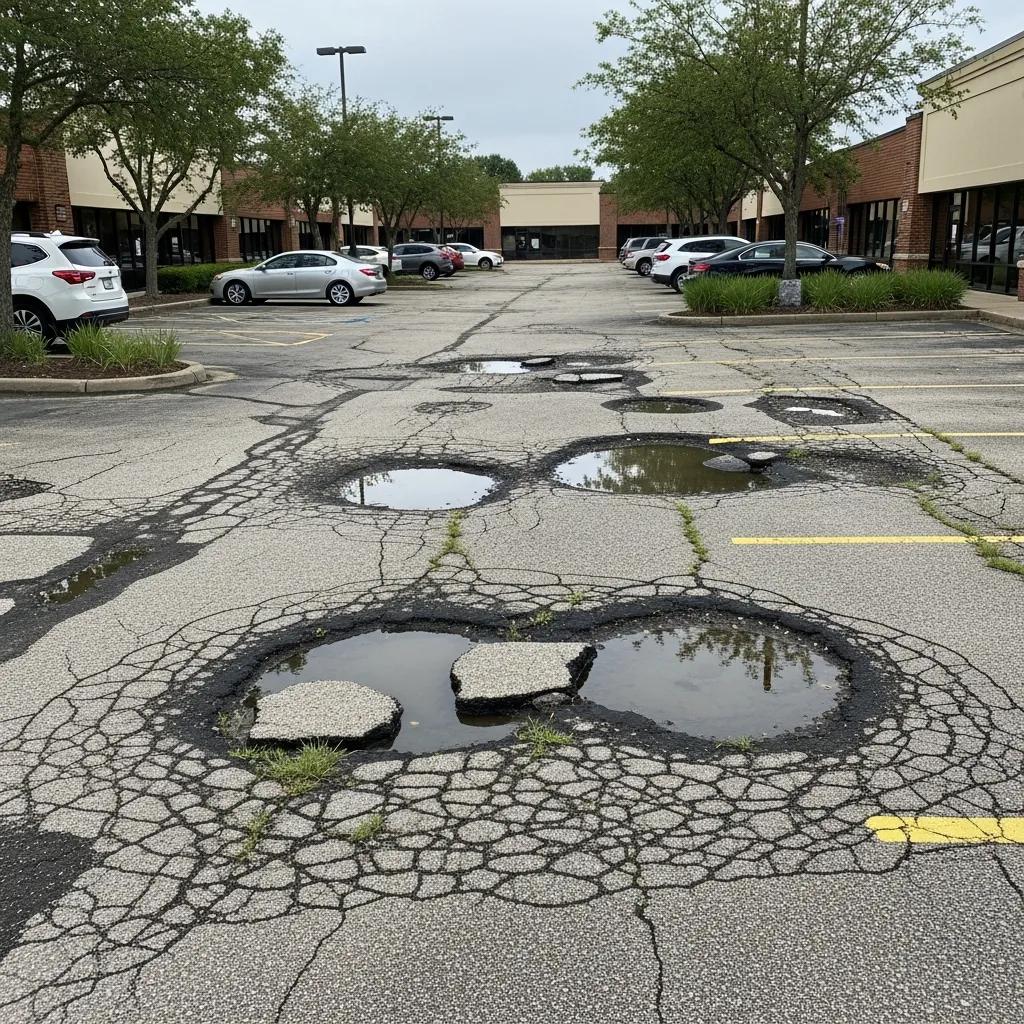
- Alligator Cracking Across Large Sections: This pattern of interconnected cracks resembles an alligator’s skin and signals base failure beneath the surface. No amount of patching or surface repair can fix this structural issue, making replacement necessary.
- Multiple Areas of Sunken or Settled Pavement: When sections of the lot sink or settle unevenly, it indicates problems with the base or subgrade layers. These issues compromise load-bearing capacity and drainage, requiring full replacement to restore stability.
- Lot Age Over 20 Years with Frequent Repairs: If your lot is more than 20 years old and you find yourself repeatedly needing asphalt repair for cracks, potholes, or other damage, it’s a sign the pavement has reached its service life and replacement will be more cost-effective long term.
- Significant Grade or Drainage Issues Affecting Water Flow: Poor drainage causes water to pool, accelerating freeze-thaw damage and pavement deterioration. If regrading or drainage fixes are extensive, replacement may be the better solution.
- Repair Costs Exceed 50% of Replacement Cost: When the cost of necessary repairs approaches or exceeds half the price of a new lot, investing in replacement is usually more economical and provides a longer-lasting solution.
Structural Explanation of Each Sign
- Alligator Cracking: Indicates failure of the base layer supporting the pavement. Water infiltration and repeated traffic cause the base to weaken and crack, leading to surface failure.
- Sunken Pavement: Results from subgrade settling or erosion beneath the pavement, causing uneven surfaces and potential safety hazards.
- Frequent Repairs on Older Lots: Show that the pavement’s materials have degraded beyond repairable limits, and patching only delays inevitable replacement.
- Drainage Issues: Water pooling accelerates freeze-thaw damage and undermines pavement layers, leading to cracks and potholes.
- High Repair Costs: Reflect extensive damage that requires major work, making replacement a more cost-effective and durable option.
How Northeast Ohio’s Freeze-Thaw Climate Accelerates Pavement Deterioration
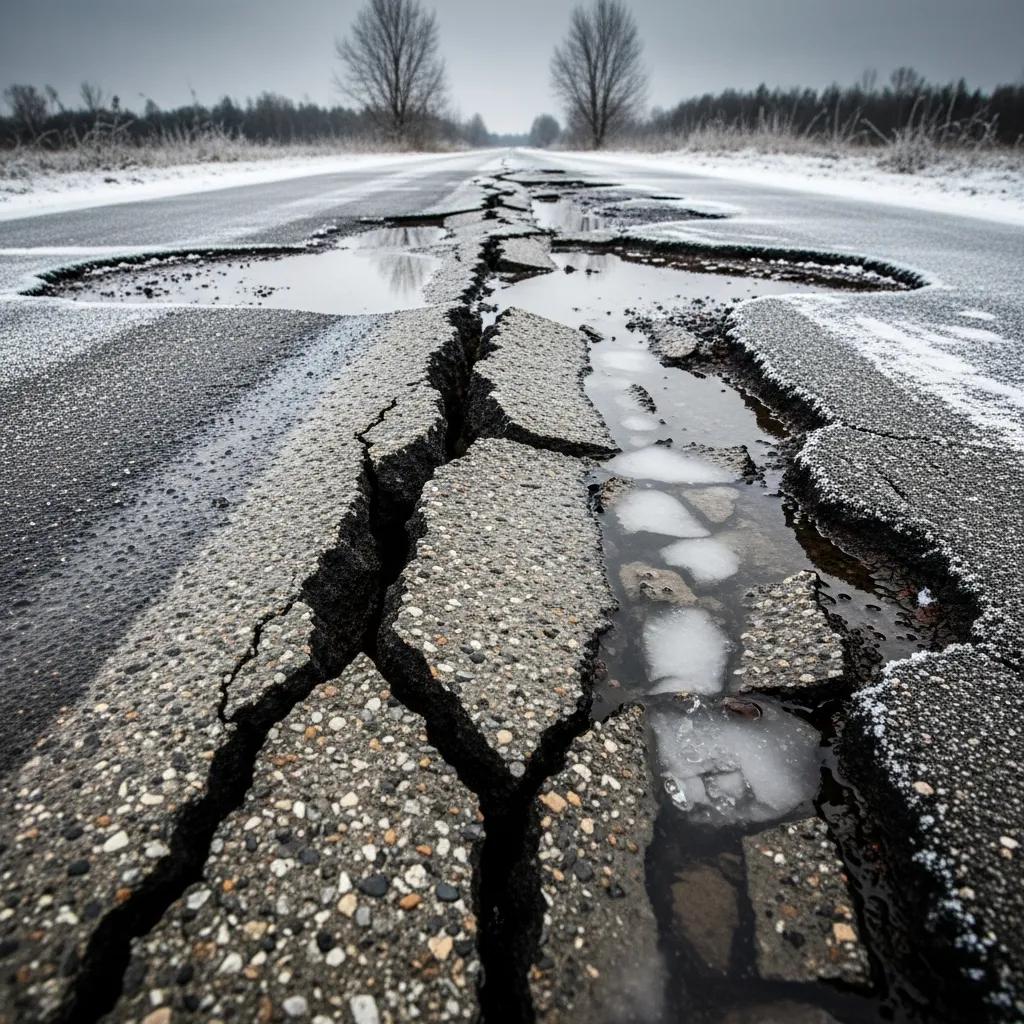
Northeast Ohio experiences harsh winters with repeated freeze-thaw cycles that cause water trapped in pavement cracks to freeze and expand, widening gaps and weakening the base. This process accelerates cracking, potholes, and surface loss much faster than in southern states with milder climates. Combined with seasonal moisture and de-icing chemicals, these factors make preventive maintenance and timely repairs essential to extend pavement life.
Maintenance vs. Replacement: What You Need to Know
While routine maintenance like crack filling, pothole patching, and sealcoating can significantly extend the life of your parking lot, these methods cannot fix structural failures such as base or subgrade damage. Understanding when to repair and when to replace is key to managing costs and safety.
Common Maintenance Options
- Crack Filling: Seals small cracks to prevent water infiltration.
- Pothole Patching: Repairs localized surface collapses.
- Sealcoating: Protects surface from UV, moisture, and oils.
- Resurfacing: Adds a new wearing layer when base is sound but surface is worn.
When Replacement Is the Best Choice
Replacement is necessary when structural issues like alligator cracking, base failure, or extensive settling are present, or when repair costs become prohibitive. A new pavement provides a fresh base and surface, improving safety, appearance, and longevity.
How to Decide Between Repairing or Repaving Your Northeast Ohio Parking Lot
Consider these factors when making your decision:
- Extent of Distress: Localized cracks and potholes favor repairs; widespread base failure requires replacement.
- Remaining Service Life: If repairs only add a few years, replacement may be more cost-effective.
- Budget: Compare repair costs to replacement costs, factoring in long-term maintenance.
- Drainage and Grade: Significant issues may necessitate repaving with proper grading.
Consulting a pavement professional can provide a lifecycle-based recommendation tailored to your lot’s condition.
Lifespan Differences Between Asphalt and Concrete Parking Lots
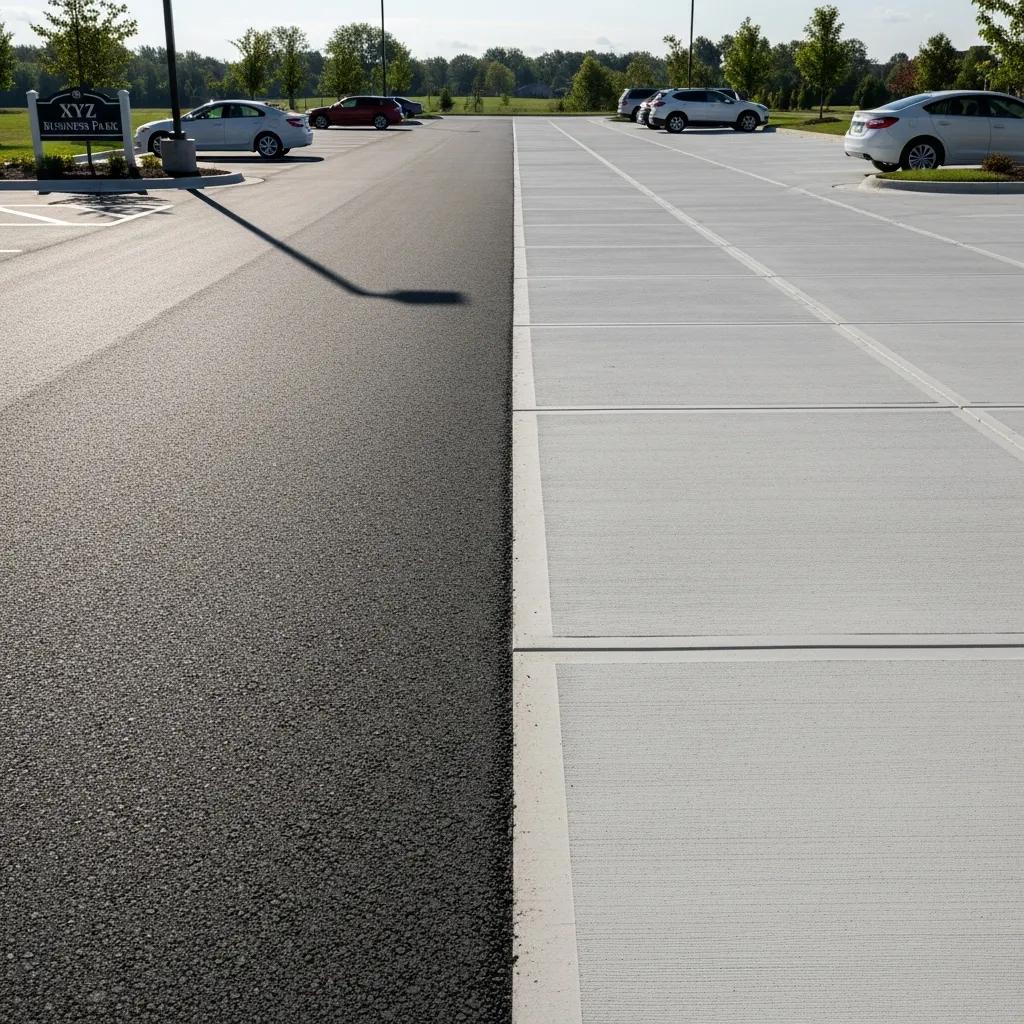
Asphalt parking lots typically last 15–20 years without maintenance and up to 30 years with proper care. Concrete lots often last longer but have higher upfront costs and different maintenance needs. Your choice should consider budget, expected traffic, climate, and desired lifespan. Learn more: Asphalt vs. Concrete for Commercial Parking Lots.
Evaluating Repair Costs Versus Replacement Benefits
Compare the immediate cost of repairs with the expected extension of service life and the projected cost of replacement. If repairs are frequent and costly, or if repair costs exceed 50% of replacement cost, investing in replacement is usually the better long-term decision. A professional assessment can help quantify these options.
How Do Asphalt Pavement Cracks Indicate End-of-Life?
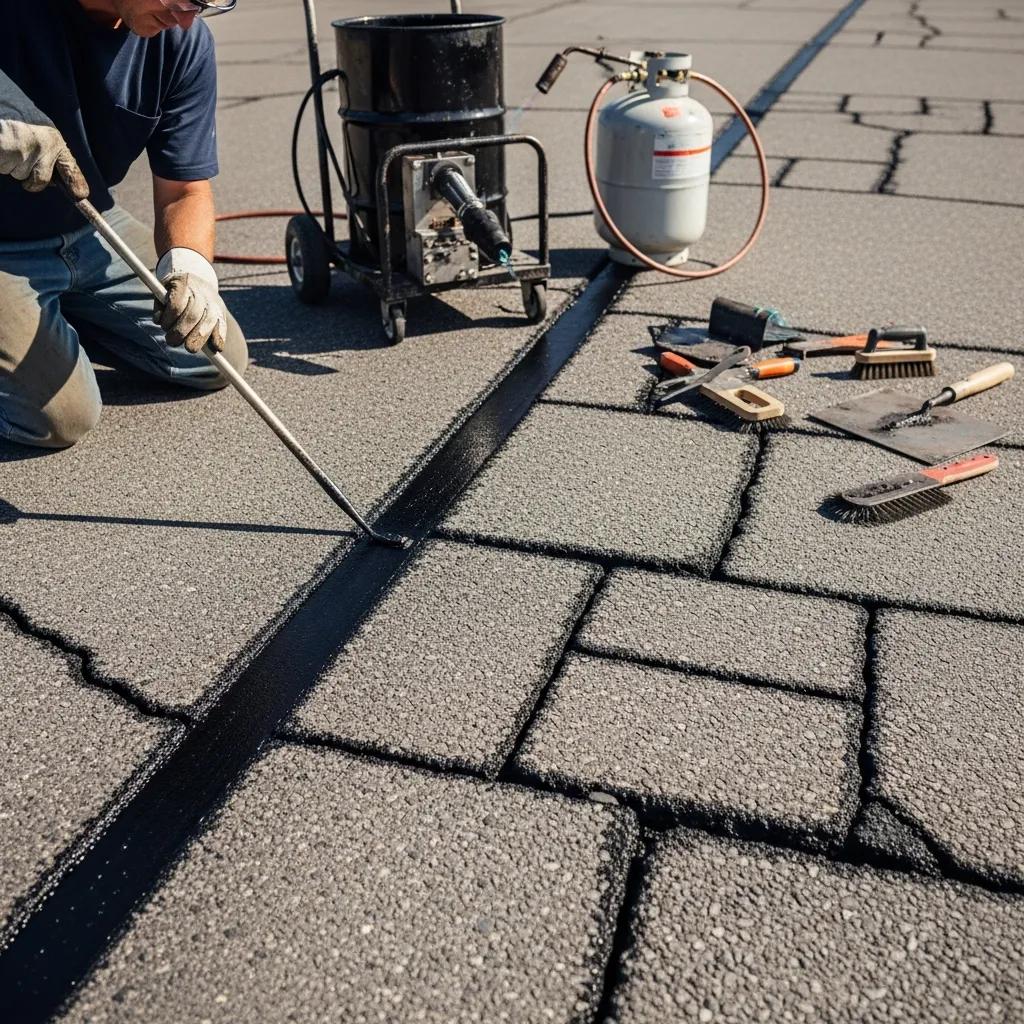
Asphalt cracks appear in several patterns—longitudinal, transverse, block—and each points to different stresses. Left unchecked, cracks let water in, accelerating base weakening and potholes. Routine crack filling limits moisture entry and buys time before bigger repairs are needed.
What Concrete Slab Cracking Patterns Signal Replacement Needs?
Concrete shows shrinkage hairline cracks and larger structural cracks or spalling. Hairline cracks can be monitored or patched, but widespread cracking, severe spalling, or uneven slabs often indicate the need for resurfacing or replacement to restore load-bearing capacity and safety.
Frequently Asked Questions
What are the common causes of parking lot deterioration in Northeast Ohio?
Main causes include freeze-thaw cycles, heavy snow and rain, poor drainage, heavy vehicle loads, and de-icing chemicals. These factors let water penetrate and weaken pavement layers.
How often should I inspect my parking lot for signs of deterioration?
Inspect at least twice yearly—spring and fall—and after major storms. Regular checks catch small issues before they require costly fixes.
What are the benefits of sealcoating for parking lots?
Sealcoating protects against UV, moisture, and spills, improves appearance, and delays major repairs when applied on schedule.
Can I perform maintenance on my parking lot myself?
Owners can do basic tasks like cleaning and small crack filling, but larger repairs and structural assessments are best handled by pros with proper equipment.
What should I consider when choosing between asphalt and concrete for a new parking lot?
Consider budget, expected traffic, climate, and desired lifespan. Asphalt is cheaper up front and quicker to install; concrete can offer longer life with different maintenance needs.
How can I improve drainage in my parking lot?
Grade surfaces to shed water, keep gutters and drains clear, and install catch basins or French drains where needed. Persistent problems should be evaluated by a drainage specialist.
Get a Free Pavement Assessment from Empire Paving
Recognizing signs like alligator cracking, sunken pavement, frequent repairs on older lots, drainage problems, and high repair costs helps you decide when replacement is necessary. While routine maintenance such as sealcoating and crack filling can extend pavement life, structural failures require professional evaluation and often replacement. For tailored guidance and a free pavement assessment, contact Empire Paving to plan the right mix of repairs and long-term investments for your Northeast Ohio commercial paving project. Empire Paving offers expert evaluations tailored to Northeast Ohio conditions. Protect your investment and ensure safety with a professional assessment.