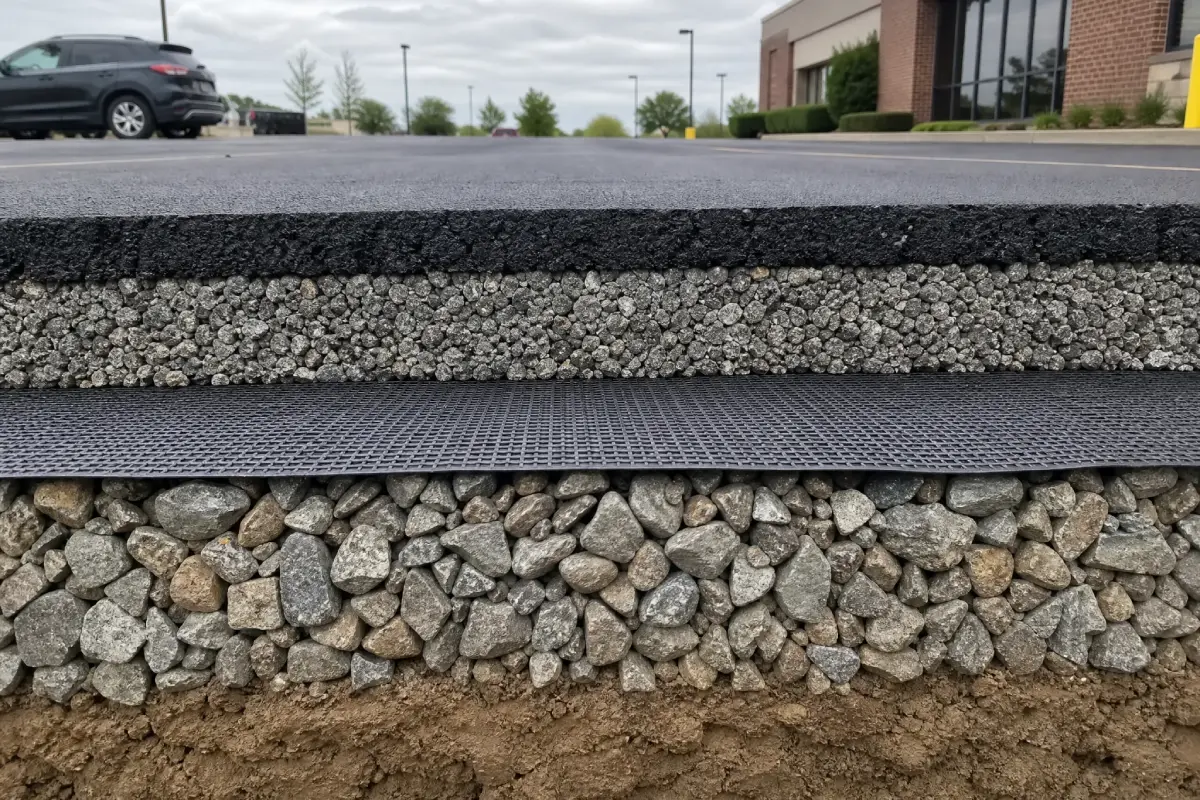
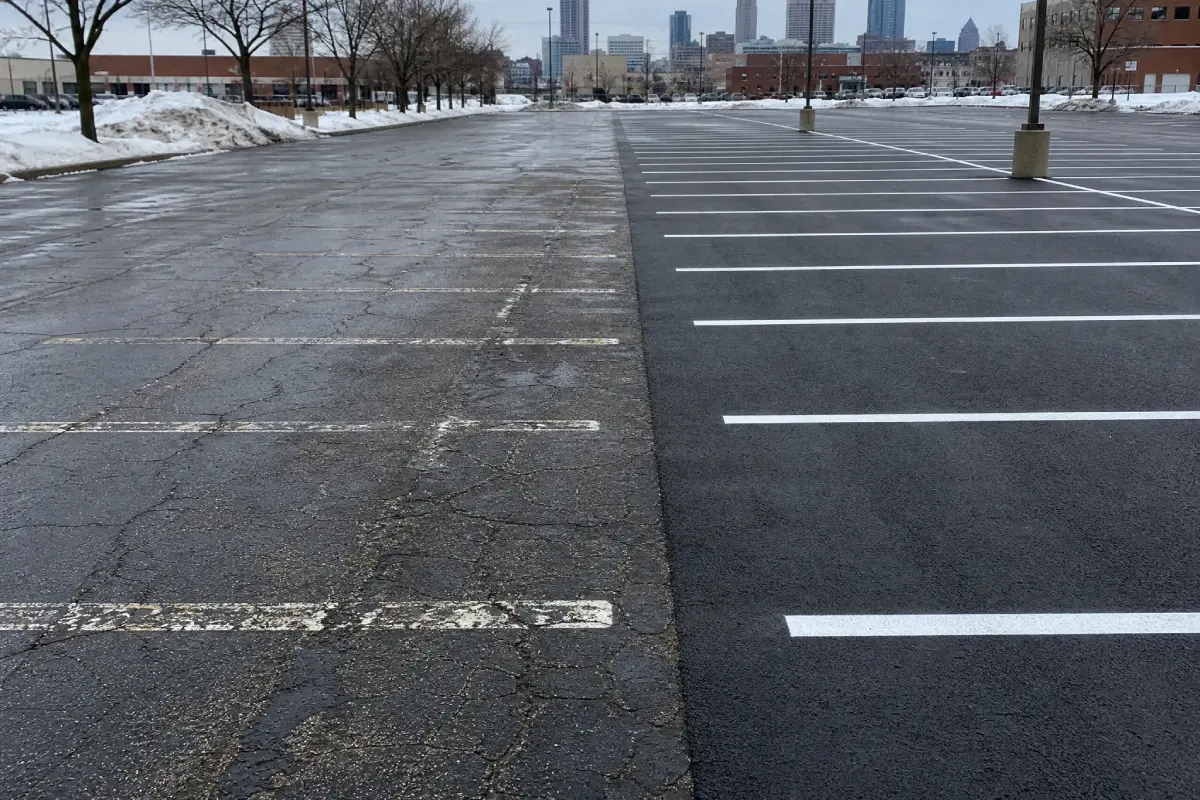
Quick Answer: ADA compliance for parking lots in Ohio means providing enough accessible spaces (one per 25 total spaces), 8-foot-wide stalls with a 5-foot access aisle, van-accessible spaces, proper signage with the International Symbol of Accessibility, and curb ramps with a maximum 1:12 slope. Commercial property owners must meet these requirements for new construction, alterations, and in response to complaints, and should conduct annual audits to catch violations like incorrect slopes, undersized aisles, or faded signage before they lead to fines.
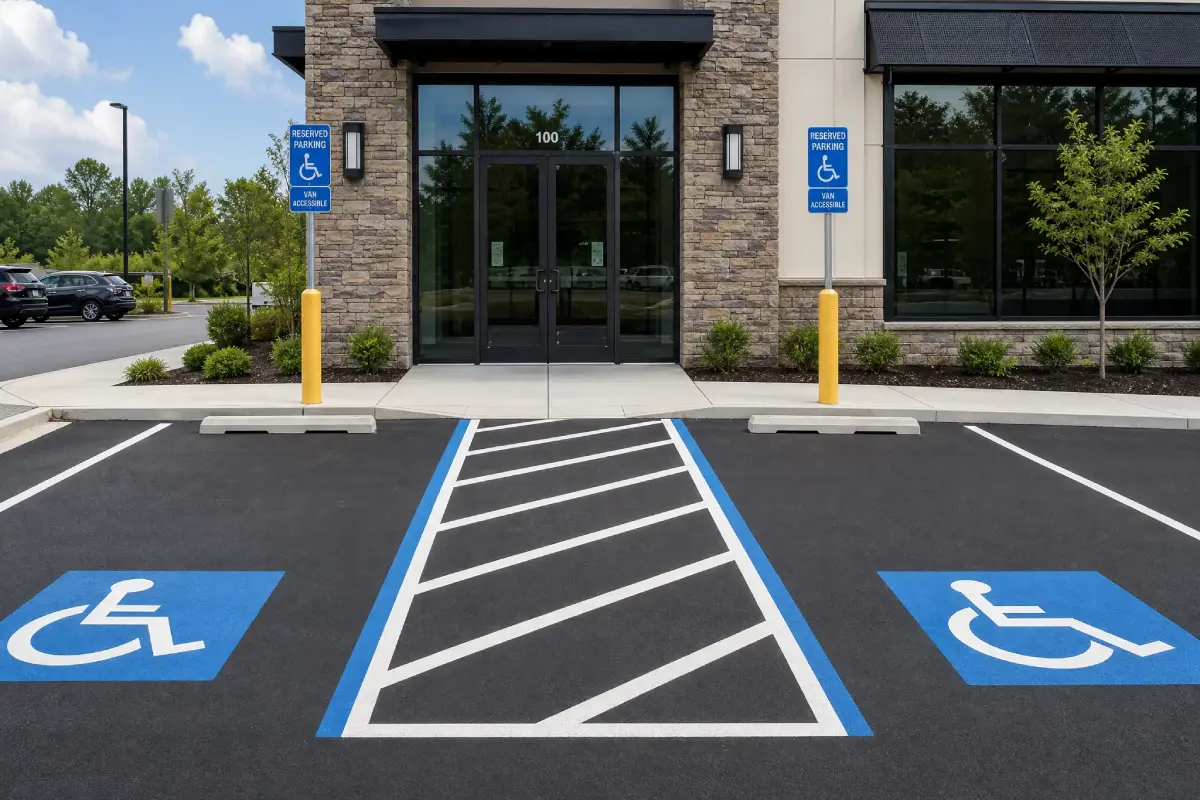
For commercial property owners in Ohio, maintaining ADA-compliant parking is both a legal requirement and a commitment to accessibility. This guide lays out the essential standards for accessible parking dimensions, signage, and maintenance under the Americans with Disabilities Act (ADA). Many owners struggle with design specifics and regulatory obligations, which can lead to fines and accessibility barriers. Read on for clear steps—required dimensions, signage rules, and audit practices—that help you keep your property accessible and compliant.
What Are the Required Accessible Parking Space Dimensions in Ohio?
Accessible parking spaces are designed to accommodate wheelchairs, scooters, and other mobility devices. In Ohio, the ADA requires a minimum width of 8 feet for accessible stalls, plus an adjacent access aisle of at least 5 feet, following the ADA Standards for Accessible Design. These dimensions ensure people have enough room to enter and exit vehicles safely. Following these standards helps create an inclusive environment that serves all visitors.
How Does Ohio Define Accessible Parking Space Size Requirements?
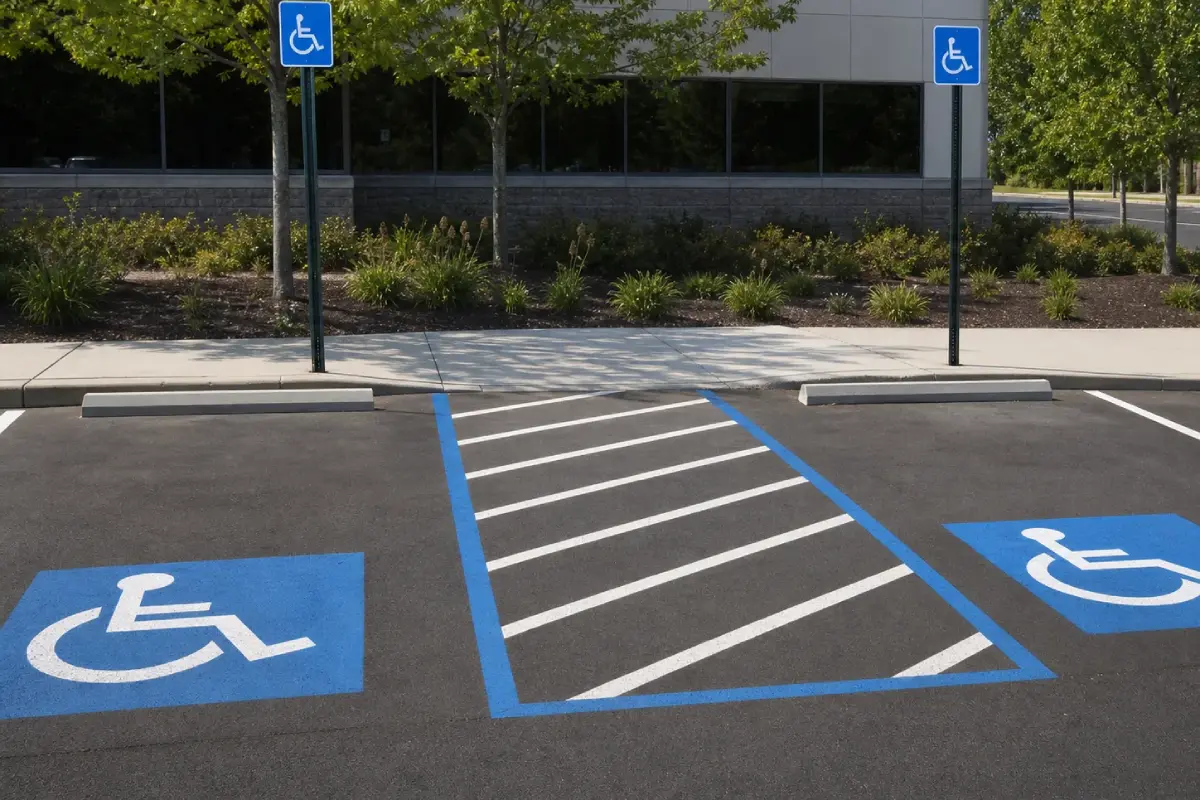
Ohio follows ADA guidelines that set a minimum width of 8 feet for accessible parking spaces, with a 5-foot access aisle beside each space, consistent with the parking privileges described in Ohio Revised Code Section 4511.69. This layout supports users who need extra space for ramps, lifts, or mobility assistance. Regular inspections help confirm that dimensions remain compliant as the site changes over time.
How Many Accessible Parking Spaces Must Commercial Lots Have?
The number of required accessible spaces depends on the lot’s total capacity. The ADA requires one accessible parking space for every 25 total parking spaces, and you always round up to the next whole space. Regularly review your parking inventory—especially after expansions or repaving—to ensure you meet this requirement.
What Are Ohio’s ADA Parking Signage Requirements for Commercial Properties?
Visible, correctly mounted signage is a core component of ADA compliance. In Ohio, accessible spaces must display the International Symbol of Accessibility so drivers and visitors can quickly identify them. Proper signage supports both legal compliance and the practical needs of people with disabilities.
Which Signs Are Mandatory for Accessible Parking Spaces in Ohio?
Every accessible parking space must have a sign bearing the International Symbol of Accessibility. Signs should be mounted at a height and location that makes them visible to drivers from a distance. Including clear information about designated spaces and any restrictions helps reinforce compliance and reduce confusion.
How Should ADA Parking Spaces be Marked and Maintained?
Mark accessible stalls in blue with white symbols and keep paint and signs in good condition. Repaint faded markings, replace damaged signs, and ensure access aisles remain clear of obstacles, following DOJ restriping guidance where applicable. Routine maintenance preserves visibility and usability—two key factors for staying compliant.
📞 Ready to Get Started? Don’t let a failed ADA audit turn into a costly liability. Contact Empire Paving today for a professional accessibility assessment and get expert help addressing dimension, signage, or surface issues in your Ohio parking lot.
How Do Asphalt and Concrete Solutions Affect Ohio ADA Parking Lot Compliance?
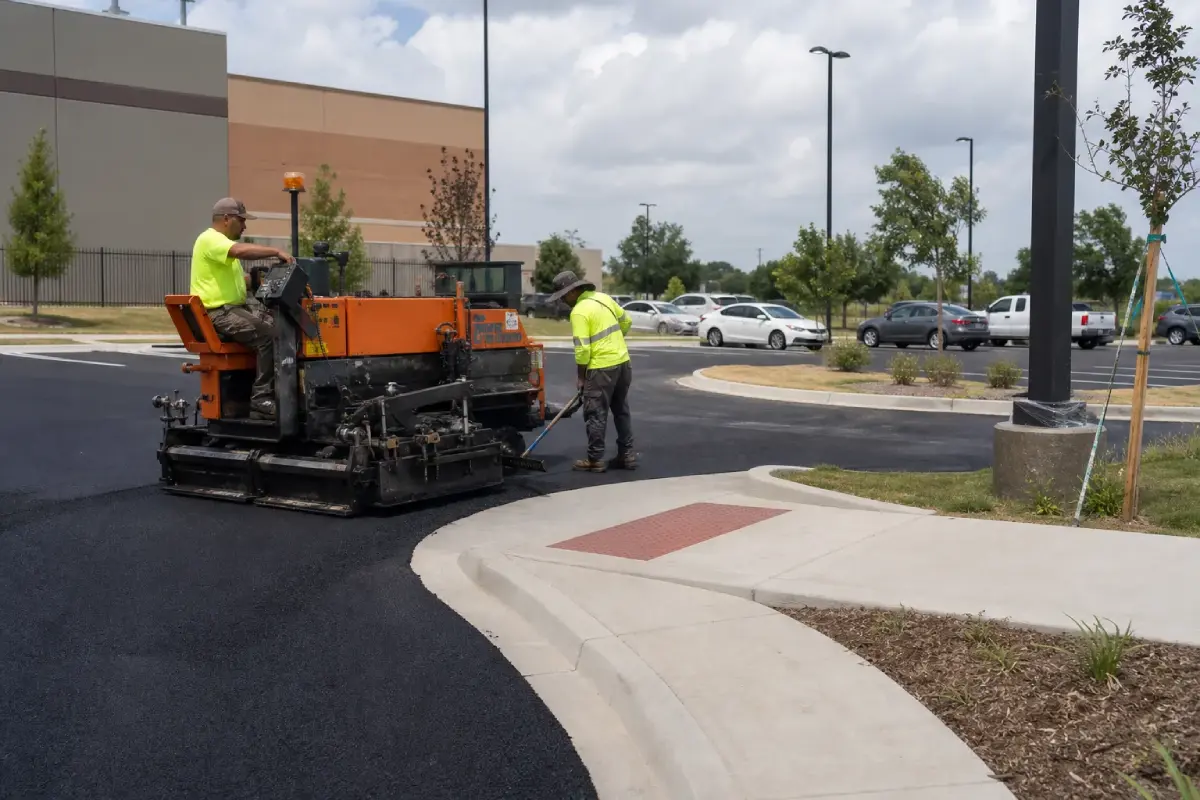
Your choice of pavement affects durability, cost, and accessibility. Both asphalt and concrete can meet ADA requirements when installed and maintained correctly; the right choice depends on budget, traffic, and long-term maintenance plans.
What Are the Pros and Cons of Asphalt vs. Concrete for Accessible Parking Areas?
Asphalt is typically quicker to install and less expensive upfront through professional asphalt paving services. Concrete lasts longer and resists rutting and oil stains but must be poured and finished properly by an experienced concrete contractor to avoid bumps or uneven surfaces that impede mobility devices. Evaluate lifecycle costs and accessibility implications when choosing materials.
How Should Curb Ramps Be Constructed to Meet Ohio ADA Slope and Material Standards?
Curb ramps should follow the ADA maximum slope of 1:12—meaning 1 inch of rise for every 12 inches of run—to ensure safe passage for wheelchair users and others. Use slip-resistant, durable pavement repair materials and proper drainage to prevent hazards and deterioration over time.
What Compliance Audit Checklist Should Ohio Commercial Property Owners Use?
Regular compliance audits help you catch issues before they become violations. A thorough checklist will guide inspections and document any corrective actions needed.
Which Key Elements Must Be Reviewed During an ADA Parking Lot Accessibility Audit?
An effective audit checks the number of accessible spaces, visibility and placement of signage, surface condition of stalls and aisles, and the construction and slope of curb ramps. Consider hiring a certified auditor for a detailed, objective assessment.
How Often Should ADA Accessibility Audits Be Conducted in Ohio?
Perform a full ADA audit at least once a year and after any major changes to parking layouts or surfaces. Also inspect after severe weather, freezes/thaws, or construction activity that might affect accessibility elements.
How Can Commercial Property Owners Maintain Long-Term ADA Parking Compliance in Ohio?
Long-term compliance requires consistent attention and a proactive maintenance plan. Set a schedule for inspections, repairs, and updates so accessibility remains a routine part of property management.
What Are Best Practices for Maintenance of Asphalt and Concrete Accessible Parking Areas?
Best practices include scheduled inspections, prompt repairs for cracks or potholes, routine cleaning to remove debris, and repainting markings as needed. Keeping surfaces smooth and markings visible ensures reliable access for all users.
How Do Ohio Enforcement Updates Impact Ongoing Parking Lot Compliance?
Enforcement guidance and standards can change. Stay informed by monitoring state and local code updates, attending ADA workshops, or joining professional groups. Early awareness helps you adapt quickly and avoid compliance gaps.
| Requirement | Description | Compliance Status |
| Accessible Space Dimensions | Minimum 8 feet wide with 5-foot access aisle | Compliant |
| Signage | International Symbol of Accessibility displayed | Compliant |
| Regular Audits | Annual evaluation of accessibility features required | Compliant |
TL;DR — ADA Parking Lot Compliance in Ohio at a Glance
- Accessible parking spaces must be at least 8 feet wide with a 5-foot access aisle.
- Provide one accessible space for every 25 total spaces, always rounding up.
- Display the International Symbol of Accessibility on visible signage, and mark spaces blue with white symbols.
- Curb ramps must follow a maximum 1:12 slope, built from safe, durable materials.
- Conduct annual ADA compliance audits covering space counts, signage, surfaces, and curb ramps.
- Next step: Schedule your annual audit — or contact Empire Paving for a professional accessibility assessment.
Frequently Asked Questions
What Should I Do If an Accessible Parking Space Is in Poor Condition?
Address the issue right away — repaint faded lines, repair surface damage, remove obstructions, and replace broken signs. Keep records of every inspection and repair; documentation shows due diligence if a complaint or audit ever comes up.
How Can I Train My Staff on ADA Parking Lot Compliance?
Provide focused training on ADA requirements, correct signage placement, and routine maintenance tasks. Share simple reference guides, run refresher sessions periodically, and assign clear responsibility for spotting and reporting issues.
What Should I Do If I Receive an ADA Parking Complaint?
Respond promptly by investigating the complaint and verifying your parking area against current ADA standards. Make any necessary corrections, document the process, and communicate the steps you are taking back to the complainant.
Are There Financial Incentives for ADA Parking Lot Improvements in Ohio?
Potential incentives include local grants, state programs, and federal tax credits for accessibility upgrades. Check with your city or county economic development office, or an ADA resource center, for current funding and application details.
How Can I Stay Compliant With Changing ADA Regulations?
Keep an annual audit schedule, subscribe to updates from local code authorities, and attend ADA training when available. Working with an accessibility specialist helps you catch regulatory changes before they become compliance gaps.
Related Resources
- Parking Lot Maintenance Services
- Cuyahoga County Service Area
- Parking Lot Pothole Liability in Ohio
- Commercial Line Striping in Cleveland, OH
- Commercial Parking Lot Maintenance Checklist
- Asphalt vs. Concrete for Commercial Parking Lots
Get a Free ADA Accessibility Assessment
Staying ADA-compliant protects your visitors and shields your business from fines, complaints, and legal risk. Once you know where your parking lot’s dimensions, signage, or slopes fall short, Empire Paving can handle the physical paving, striping, and repair work needed to bring it up to standard. Contact Empire Paving today for a free, no-obligation quote.
About Empire Paving: Empire Paving serves commercial property owners across Northeast Ohio, specializing in asphalt paving, concrete construction, line striping, and parking lot maintenance. Contact us today for a free, no-obligation quote on your next paving or compliance project.